
FIRST THING: Sometimes the most responsible thing we can do is admit we don’t know—not yet.
LUCKY LEMON 7: 7 things you need to know before you start your day


Wednesday, July 29, 2026
WANT TO BE LUCKY? START HERE.
Good morning!
I’ve been thinking about something.
Somewhere along the way, the Nolan Wells case became bigger than the facts we actually know.
Every day there’s another theory. Another rumor. Another person convinced they’ve solved it. That’s understandable. We don’t like uncertainty. We want answers, and when we don’t have them, it’s human nature to fill in the blanks.
But the truth doesn’t arrive on our schedule.
Sometimes the most responsible thing we can do is admit we don’t know—not yet. That doesn’t make the questions any less important. It simply reminds us that facts matter more than speculation.
That’s where we begin today.
If someone forwarded this newsletter to you, I hope you’ll subscribe. And if you’re already part of this community, thank you. The best way to help us grow is simple: share Lucky Lemon 7 with one person who believes journalism still matters.
THE FACTS WE DON’T HAVE

The mystery surrounding Nolan Wells took another turn Tuesday after his family announced they had retained an independent forensic pathologist to observe the autopsy. They say they want an extra layer of confidence in a case that has drawn intense public attention.
It’s an extraordinary step, but one that’s becoming increasingly common in high-profile cases where families worry evidence could later be questioned. Whether those concerns are justified here remains to be seen, but the decision reflects something larger: trust has become harder to earn, especially in cases that unfold so publicly.
Investigators continue asking the public to avoid spreading rumors while they work through the evidence. That’s easier said than done. Cases like this take on lives of their own online, where speculation often moves much faster than verified information.
For now, there are still more questions than answers. The Wells family is searching for the truth, investigators are following the evidence, and the rest of us should have the patience to let the facts lead the story.
THE DIFFERENCE BETWEEN PROMISES AND PERFORMANCE
It was hard to miss the images coming out of the White House this week.
President Donald Trump welcomed Ukrainian President Volodymyr Zelenskyy to the Oval Office. Then, just hours later, he met with Israeli Prime Minister Benjamin Netanyahu. Two back-to-back meetings. Two wars dominating the world’s attention. Two conflicts Trump repeatedly said he could resolve.
During his campaign, Trump promised he could end Russia’s war against Ukraine and bring peace to the Middle East. He said those conflicts required stronger leadership and better negotiating. More than a year into his presidency, Americans have something far more meaningful than campaign speeches to judge: results.
Russia’s war against Ukraine continues with no negotiated settlement in sight. Fighting involving Israel and Iran remains unresolved despite repeated claims that peace or a ceasefire was within reach. Americans continue to feel the impact of global instability at home, from economic uncertainty to concerns about the nation’s role abroad.
DON’S TAKE: Leadership isn’t measured by promises. It’s measured by results.

THE RUSH TO CLOSE THE CASE
This time, it’s a North Charlotte churchyard that has sparked widespread community outrage and deep suspicion over how local law enforcement handles the deaths of Black teenagers.
The body of 16-year-old Juliana Umba Nzita, who had been missing for over a week, was found hanging from a tree by a heavy cargo ratchet strap. Within just three days, a medical examiner ruled her death a suicide, and the Charlotte-Mecklenburg Police Department closed the case a mere four days later. But an investigation by the Charlotte Observer revealed glaring gaps: authorities never performed an autopsy, never located Juliana’s missing cellphone, and remarkably never even interviewed the man who found her body. While local officials maintain that no evidence of foul play was found, her family, civil rights attorneys, and community members are demanding a reopened investigation, arguing that the logistics at the scene make a suicide ruling practically impossible. When an investigation concludes before the most basic questions are asked, it leaves a grieving family with a heavy burden.
THE PRICE OF SURVIVAL
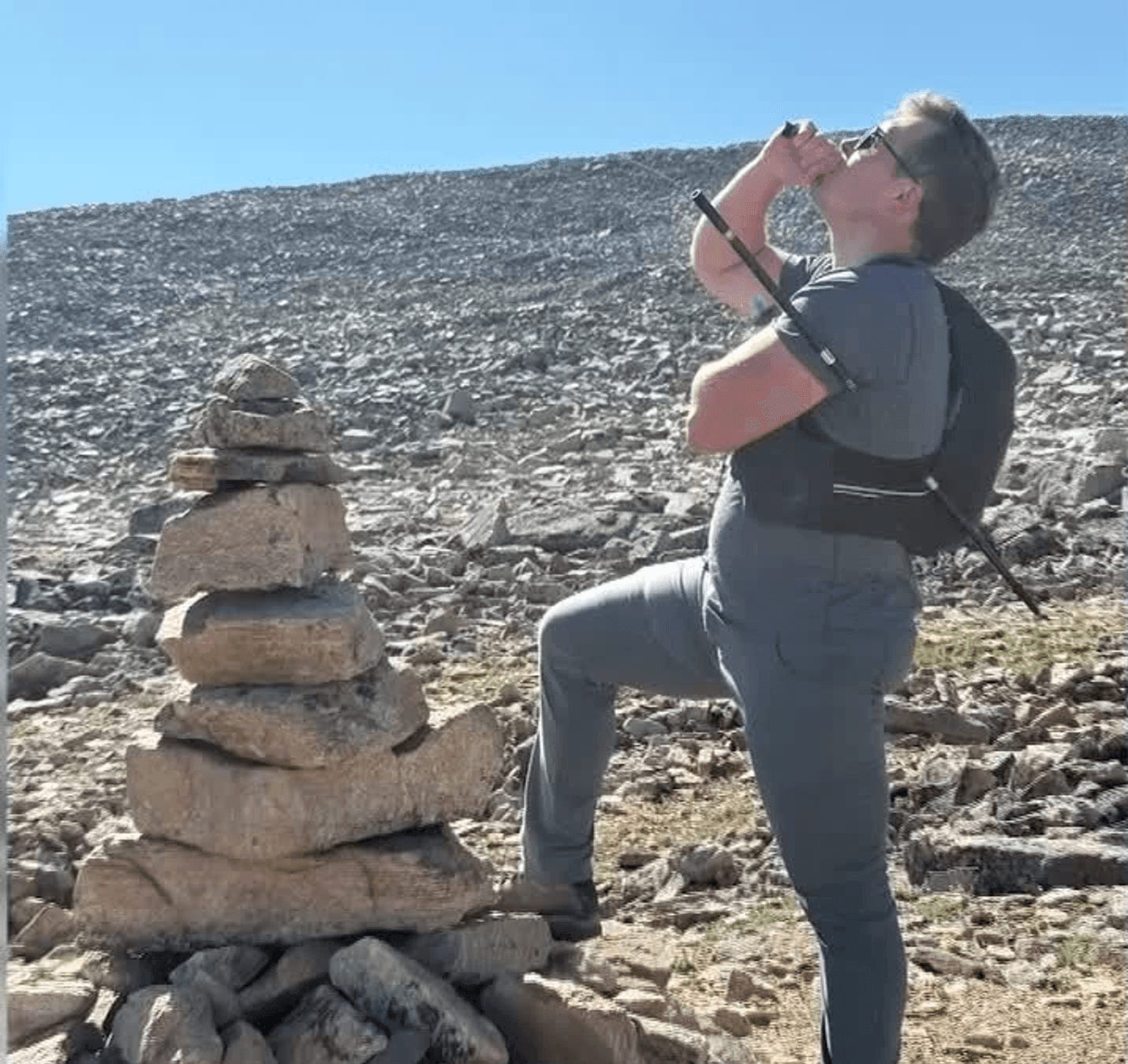
A Montana man who became stranded while hiking said he hesitated to call for help because he was worried about what it might cost.
Think about that for a second.
You’re lost. You don’t know if you’ll make it out. And one of the first things that crosses your mind isn’t whether someone can save you. It’s whether you can afford to be saved.
Search crews found him before the situation turned tragic. But his hesitation speaks to something much bigger than one rescue. Americans have become so accustomed to worrying about the financial consequences of an emergency that even asking for help can feel like a risk. Whether it’s an ambulance, an emergency room visit or a rescue operation, too many people think about the bill before they think about their own safety.
DON’S TAKE: No one should have to choose between surviving an emergency and surviving the bill.
COURAGE AT SEA
A California lifeguard is being recognized after rescuing multiple swimmers caught in dangerous surf, reminding us that courage rarely announces itself.
Most people don’t wake up expecting to become heroes. They simply show up, do their jobs and hope nothing goes wrong. Then an ordinary day becomes the day someone else’s life depends on them.
We spend so much time talking about politicians, celebrities and people with enormous platforms. Stories like this remind me that some of the most remarkable Americans are people most of us will never know. They don’t ask for attention. They simply answer the call when it matters.
THE SMALLEST AMBASSADOR IN THE STATION
Synergy weighs five pounds, wears a pink cheetah-print harness and spends her days walking through Washington’s Union Station. She’s also training to become a crisis intervention therapy pig, helping outreach workers connect with people experiencing homelessness who often distrust traditional services.
That’s what I love about this story. People stop because she’s adorable, but they stay because she creates something much harder to build than any government program: trust. One woman reportedly agreed to begin accepting assistance after years of refusing it simply because Synergy made the conversation feel safe enough to begin.
DON’S TAKE: Sometimes the biggest breakthroughs begin with the smallest acts of kindness.
LUCKY SLICES
MITCH McCONNELL: Kentucky Governor Andy Beshear says Senator Mitch McConnell should publicly demonstrate he’s capable of serving or resign. McConnell has been out of public view while recovering from a fall, and Beshear says Kentuckians deserve to hear directly from the man representing them.
THE FED: The Federal Reserve announces its latest interest rate decision today. Most economists expect rates to remain unchanged, but Americans will be listening closely for any clues about where interest rates go from here.
ALIX EARLE: The influencer says she stepped away from social media after suffering a panic attack. It’s a reminder that living your life online doesn’t make you immune from the pressures that come with it.
FAUCI: Dr. Anthony Fauci returns to Capitol Hill today to testify about the origins of COVID-19 and the federal government’s response to the pandemic.
JAPAN: Rescue crews continue searching for survivors after a powerful earthquake struck southern Japan, leaving people dead, injured and missing.
JAY CLAYTON: Former SEC Chair Jay Clayton has been confirmed to a senior national security role, placing a longtime financial regulator in one of Washington’s most closely watched positions.
As I finished putting today’s newsletter together, one word kept coming back to me: accountability.
Families are demanding answers. Voters are measuring promises against results. Community members are stepping up to demand answers about a susop Ordinary Americans are questioning whether they can afford to ask for help. And everyday people continue stepping up when someone else needs them most.
Maybe that’s the thread connecting all of today’s stories.
In the end, accountability isn’t just about holding people responsible for what they’ve done. It’s about expecting more from our leaders, our institutions and ourselves.
Have a great Wednesday.
The Lemon Media Network is hiring. Check out our website to apply.
Stay curious. Stay engaged. And stay lucky.
We black folks would never hang ourselves
25 47