
WHY IS DC SO HORNY?
DC has a real problem, but a bipartisan coalition of female lawmakers are stepping up to tear down Congress's toxic code of silence


The question we posed this week- why is DC so horny? It’s a funny way to ask about a very serious topic in Washington, because what we are seeing unfold in the halls of Congress is not just shocking—it is a deeply ingrained, structural rot. This past week, we learned that Democratic Representative Jimmy Gomez of California is officially the latest lawmaker under the microscope, facing a formal probe by the House Ethics Committee over allegations of misconduct involving a congressional staffer. It is a story that feels entirely too familiar, thrusting yet another sitting representative into the spotlight and proving that despite years of promises, the culture of abuse, and the lack of real internal accountability on Capitol Hill remains absolutely staggering.
But this isn’t just about one congressman. It matches a broader, deeply troubling pattern of behavior that goes all the way to the top, which is why we are also seeing a renewed, intense focus on Donald Trump and his historic ties to convicted sex offender Jeffrey Epstein. Friend to the show, Representative Maxwell Frost, reviewed unredacted Epstein documents that flatly contradict Trump’s long-standing claim that he banned Epstein from Mar-a-Lago. When you look at the intersection of congressional probes like the Gomez investigation alongside the dark, overarching shadow of the Epstein network, it reveals a multi-layered crisis about how the most powerful political figures in this country conduct themselves—and how the system repeatedly fails to handle the fallout.
Now, some people want to pretend this is a new phenomenon or a partisan talking point, but federal lawmakers on both sides of the aisle are telling us exactly what it is: a systemic, decades-old bipartisan failure. I want you to listen to what Representative Jamie Raskin, the Ranking Member of the House Judiciary Committee, said about the deep-seated obstruction surrounding these high-level misconduct disclosures. Raskin observed: “”It certainly has been a systemic issue historically here in Washington... we’re having a hard time even getting the documents in the Epstein files, which is about even more serious allegations of human trafficking, sexual slavery and abuse of children.”
Think about that—lawmakers are actively being blocked from uncovering the truth about child abuse and human trafficking.
This rot cuts right through the political ecosystem, showing us an environment where the immense power of public office is routinely weaponized for personal entitlement. And look, Republican Representative Mike Lawler of New York did not hold back when criticizing his own colleagues for this culture of complacency and arrogance. Giving an incredibly raw assessment of the Capitol Hill culture, Lawler stated: “What you see, unfortunately, is people in positions of power taking advantage of the situation, and in some cases, staff.. it’s wrong. Too many of my colleagues in government writ large seem to think their job is to come get laid, it’s not. Your job is to represent your district.” It is a stunning admission from a sitting lawmaker about what actually goes on behind closed doors.
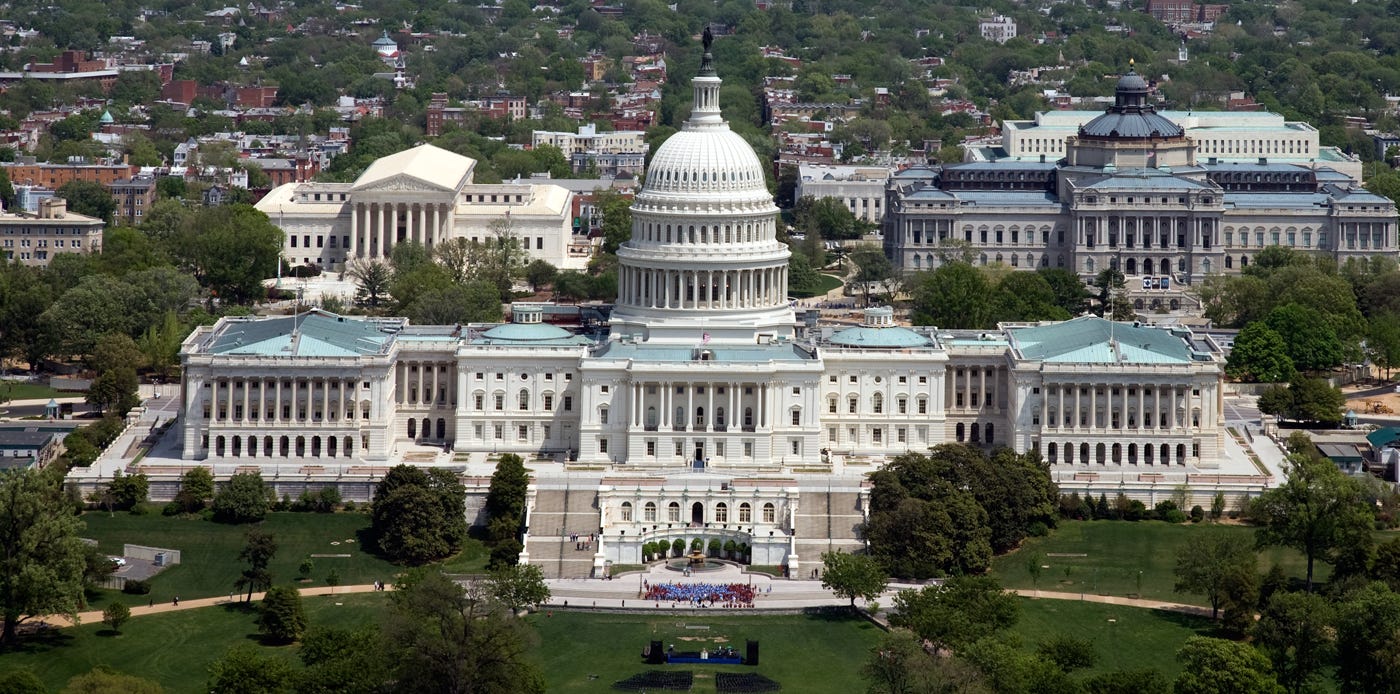
We also have to talk about the acute, dangerous power imbalance that makes the prospect of reporting this behavior incredibly treacherous for congressional aides, interns, and junior staff. Representative Alexandria Ocasio-Cortez has been a vocal advocate on this, emphasizing that any real, lasting reform has to center the experiences of those who actually suffer the abuse. Reflecting on the systemic obstacles that victims face in Washington, Ocasio-Cortez remarked: “We’ve long seen and discussed that there’s a culture here in Washington... so many of us who have survived these issues understand how intimidating and risky it is to come forward, and so figuring out a way that we can have a survivor-centric process is so deeply, deeply, deeply important.”
To truly comprehend the depth of this crisis, we have to look at history, because this is not a modern breakdown—it goes back to our country’s founding- we all know the story of Thomas Jefferson and Sally Hemings. For generations, Washington operated on an implicit, toxic code of silence, where powerful men in both political parties shielded each other from consequences while victims were blacklisted or forced to sign non-disclosure agreements. From the high-profile scandals of the late 20th century to the outrageous, taxpayer-funded “shush fund” from 1995 that Congress used for years to quietly settle workplace harassment claims, the protection of institutional power has traditionally triumphed over protecting vulnerable individuals.
There is some good news, and it’s being driven by women in Congress who are willing to completely lock arms and work across party lines. Right now, Republican Representative Kat Cammack of Florida is leading this charge alongside Representative Teresa Leger Fernández and the Democratic Women’s Caucus in a rare, heavy-hitting bipartisan task force. They are actively reviewing systemic reporting mechanisms following a string of misconduct allegations and sudden congressional resignations. Women are forming a bipartisan front to tear down the old boys’ club, rewrite the rules, and demand a system that actually protects survivors.
Could you imagine the outcome if women stood together what could be achieved?
This is precisely why Platner is being scrutinized. I get that nobody's perfect but at a time when all this is going on isn't it wise to avoid any such scandal? Foxes & henhouses...do you really want to give money & power to a man with a 'little ' problem & watch it grow bigger over time?